
Violent Night 2 provides a useful sequel-structure case study: preserve recognizable franchise elements, introduce a consequential vulnerability, expand the dramatic arena and relationships, and keep new mythology subordinate to the central conflict. This framework interprets published material—not the unreleased film’s complete screenplay.
The Core Sequel Design: Familiar Elements Versus Expansion
Begin by dividing the disclosed material into two columns: continuity and expansion. The continuity side includes Santa, Christmas-themed action, and the mixture of holiday imagery with physical conflict established by the 2022 film. The expansion side includes a mall-based story world, a broader character canvas, additional Viking history, and new relationships.
This distinction turns the filmmakers’ stated approach into a practical sequel test: identify the elements that preserve the franchise’s identity, then ask whether each addition creates new dramatic pressure instead of merely increasing spectacle. The official site lists a US theatrical opening on December 4, 2026, so the available premise and interviews should be treated as partial evidence, not a verified scene-by-scene account.
Map the Premise Into Structural Functions
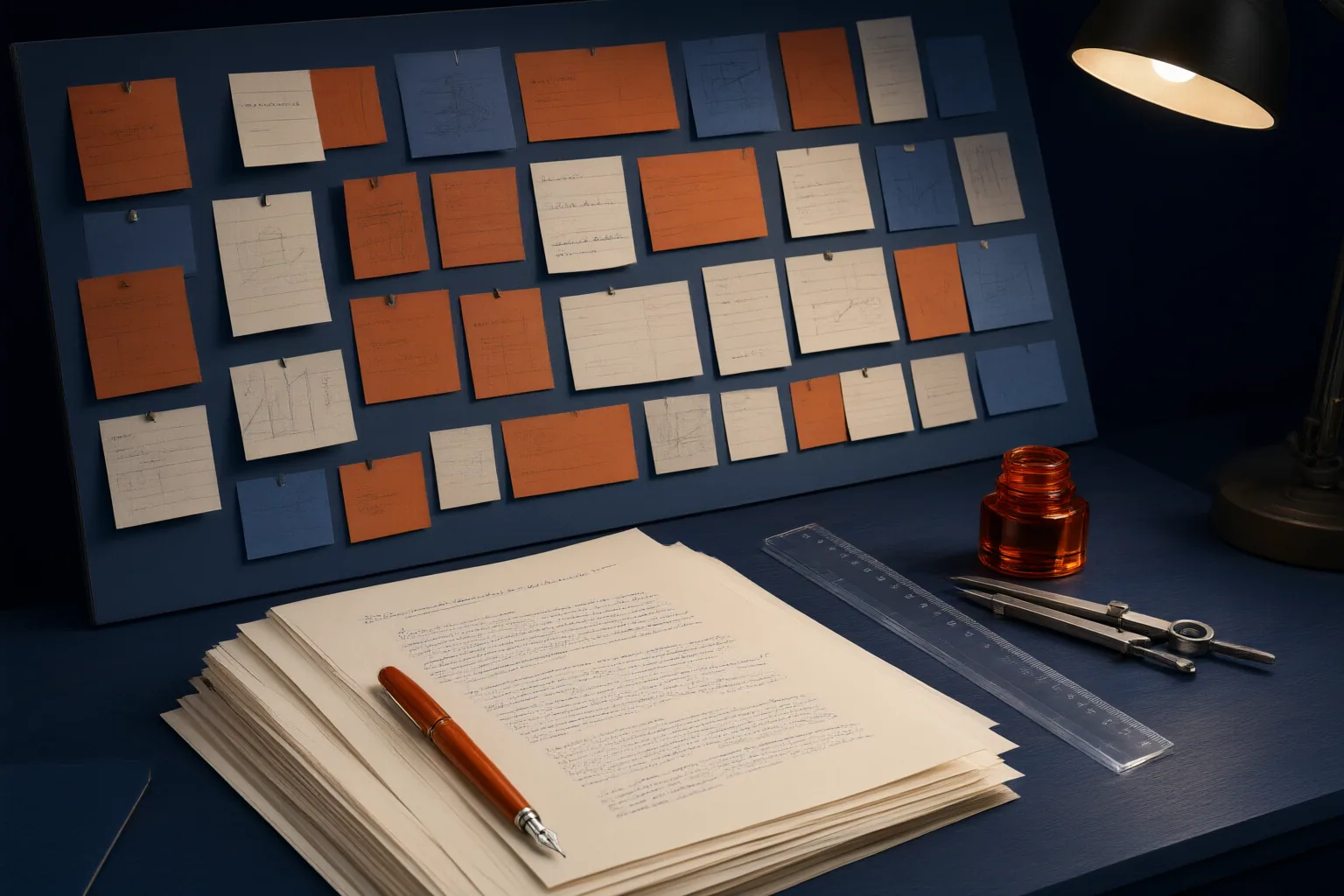
A useful beat map assigns each published premise element a dramatic function without guessing where individual scenes occur. Santa’s loss of magic supplies the central constraint: an established hero must solve problems without a defining advantage. His physical ability and improvised Christmas-decoration weapons can then become responses to that limitation rather than interchangeable action details.
The mall and armed criminal organization provide the external arena and opposition, while the threatened community supplies a protection objective. The two-story mall, built into a Christmas-themed world with a Santa’s Village area, also concentrates the conflict within a setting that can generate obstacles and visual contrasts.
For writers, the important escalation is the combination of scale and vulnerability. A larger world does not require a stronger protagonist. Here, the disclosed design broadens the conflict while taking power away, potentially making each objective harder to achieve. These are analytical functions, not confirmed beat placements.
Track Relationships, Emotion, and Bounded Mythology
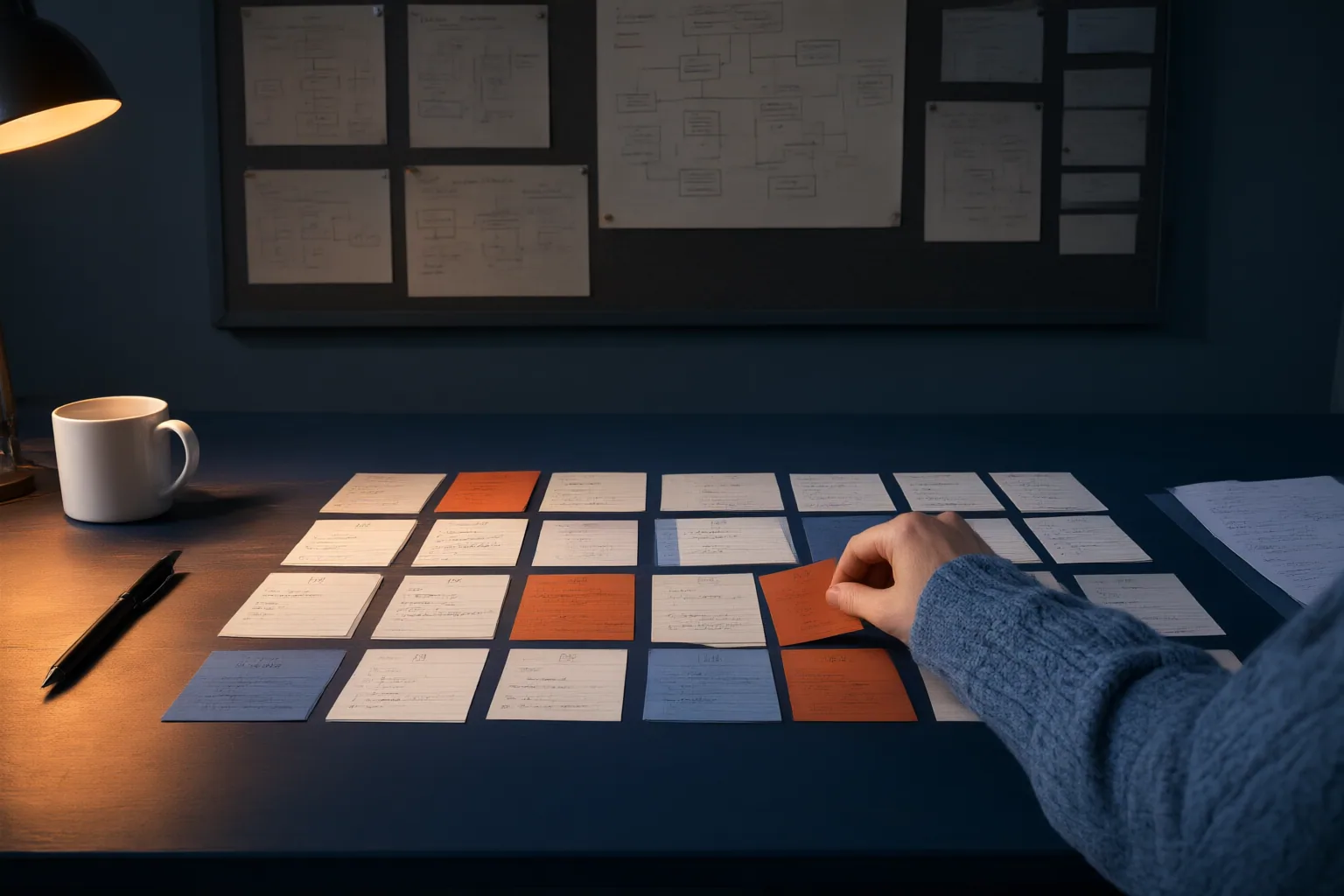
Next, map character additions by the pressure or support they bring to the protagonist. Mrs. Claus is described as an active partner who can fight, expanding Santa’s relationships through participation in the conflict rather than a conventional domestic role. The toymaker’s bond with Santa reportedly carries much of the film’s emotional material, suggesting a relationship thread that can be tracked alongside the protection plot.
Mythology requires a separate check. The filmmakers intend to explore more of Santa’s Viking history after audience interest in that material, while avoiding excess. That creates a useful boundary: backstory should clarify a choice, relationship, vulnerability, or present conflict. If lore only pauses the forward action or explains details the audience does not need, it may be competing with the story.
A responsible analysis therefore labels every inference. Public material supports identifying possible structural functions, but it does not establish the complete order, duration, or outcome of the film’s beats.
Conclusion
The clearest sequel-development check is fourfold: retain something that makes the franchise recognizable, impose a constraint that changes how the hero acts, expand the world through conflict and relationships, and limit added mythology to material serving the central story. Violent Night 2’s published premise illustrates how those elements can be examined together without inventing a definitive plot.
Apply the framework to your own sequel outline now: mark one retained franchise element, one vulnerability, one expanded relationship, and one bounded piece of mythology, then write one sentence explaining how each changes a story beat.
Disclosures and limitations
- This article was prepared with AI assistance from the supplied research package, which draws on filmmaker interviews, the official film site, and a basic production reference. Analytical interpretations are distinguished from confirmed film details.
Related reading
Sources
- Violent Night 2 – Wikipedia — en.wikipedia.org
- Violent Night 2 | Official Trailer — YouTube
- Violent Night 2 trailer breakdown: director Tommy Wirkola and producer Kelly McCormick on de-powering Santa and weaponizing Christmas decorations — GamesRadar+
- Violent Night 2 | Showtimes & Tickets | December 4, 2026 — Violent Night 2
- Violent Night 2 přináší vánoční akční šílenství — kritiky.cz
- Violent Night 2 Trailer Brings In Kristen Bell And A Big Sword To Save Santa Claus – SlashFilm — SlashFilm